Last updated on 2025-07-09
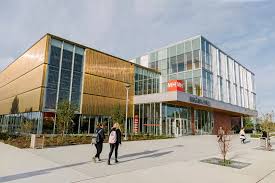

Program overview
Seneca's Child and Youth Care (CYC) program is designed to equip students with essential skills in intervention, prevention, and treatment strategies tailored for children and youth. This advanced diploma program focuses on fostering positive development and providing valuable resources to families facing various challenges that impact emotional, social, and mental health. Students will gain a comprehensive understanding of human behavior and development, while also exploring various therapeutic theories and practices. The program emphasizes hands-on experience through field placements, ensuring that graduates are well-prepared to make a meaningful impact in their communities.
Program structure
The Child and Youth Care program at Seneca is structured to provide a robust educational experience over a period of 6 semesters (3 years). The program is delivered in a hybrid format, combining both online and in-person learning to accommodate diverse learning preferences. Key features of the program structure include:
- Field Placement: Students will complete approximately 1,000 hours of field placement across three distinct opportunities, allowing for practical application of learned skills.
- Flexible Learning: Some courses are available in a flexible delivery format, enabling students to choose between in-person and online learning.
- In-Person Requirements: Certain coursework must be completed in person to develop essential interpersonal communication skills.
- Accreditation: The program is accredited by the Child and Youth Care Educational Accreditation Board of Canada, ensuring a high standard of education.
Overall, the program is designed to prepare students for a rewarding career in child and youth care, with a strong emphasis on experiential learning and professional development.
Featured Experiences
The Child and Youth Care program offers a variety of unique experiences that enhance the learning journey for students. These include:
- Field Placements: Students engage in real-world experiences through field placements in diverse settings such as public schools, hospitals, and treatment centers.
- Hands-On Training: The program includes training in crisis prevention and intervention, as well as applied suicide intervention.
- Collaborative Learning: Students work alongside experienced professionals and peers, fostering a supportive learning environment.
- Certification Opportunities: Graduates earn certifications in various areas, including crisis prevention and the purposeful use of daily life events.
- Degree Pathways: Students have the opportunity to continue their education and pursue a degree at Seneca or partner institutions.
Career Options
Graduates of the Child and Youth Care program can pursue a variety of rewarding career paths in Canada. Some potential job options include:
- Child and Youth Worker: Support children and youth in overcoming challenges related to emotional and social development.
- School Support Staff: Work within educational environments to assist students with special needs and promote positive learning experiences.
- Community Agency Worker: Collaborate with community organizations to provide resources and support for families in need.
- Residential Care Worker: Provide care and support in group homes or treatment facilities for youth facing various challenges.
- Youth Justice Worker: Work with at-risk youth involved in the justice system, helping them reintegrate into society.
These career options highlight the diverse opportunities available to graduates, allowing them to make a significant impact in the lives of children and youth across Canada.
DISCLAIMER: The information above is subject to change. For the latest updates, please contact LOA Portal's advisors.
Visit Seneca Polytechnic official website