Last updated on 2025-08-28

Program overview
The Bachelor of Science in Applied Coastal Ecology at UNB's Saint John campus offers students an in-depth understanding of climate change and the protection of vital coastal regions. This program equips students with the necessary skills to pursue impactful careers in coastal management, conservation, and protection. Through a combination of theoretical knowledge and practical experience, students will learn about ecology, statistics, mathematics, and data science, preparing them to contribute significantly to coastal protection efforts.
Program structure
The Bachelor of Science in Applied Coastal Ecology is designed to provide a comprehensive educational experience over a four-year period. The program includes:
- Hands-on learning opportunities
- Fieldwork on coastal sites in the Saint John region
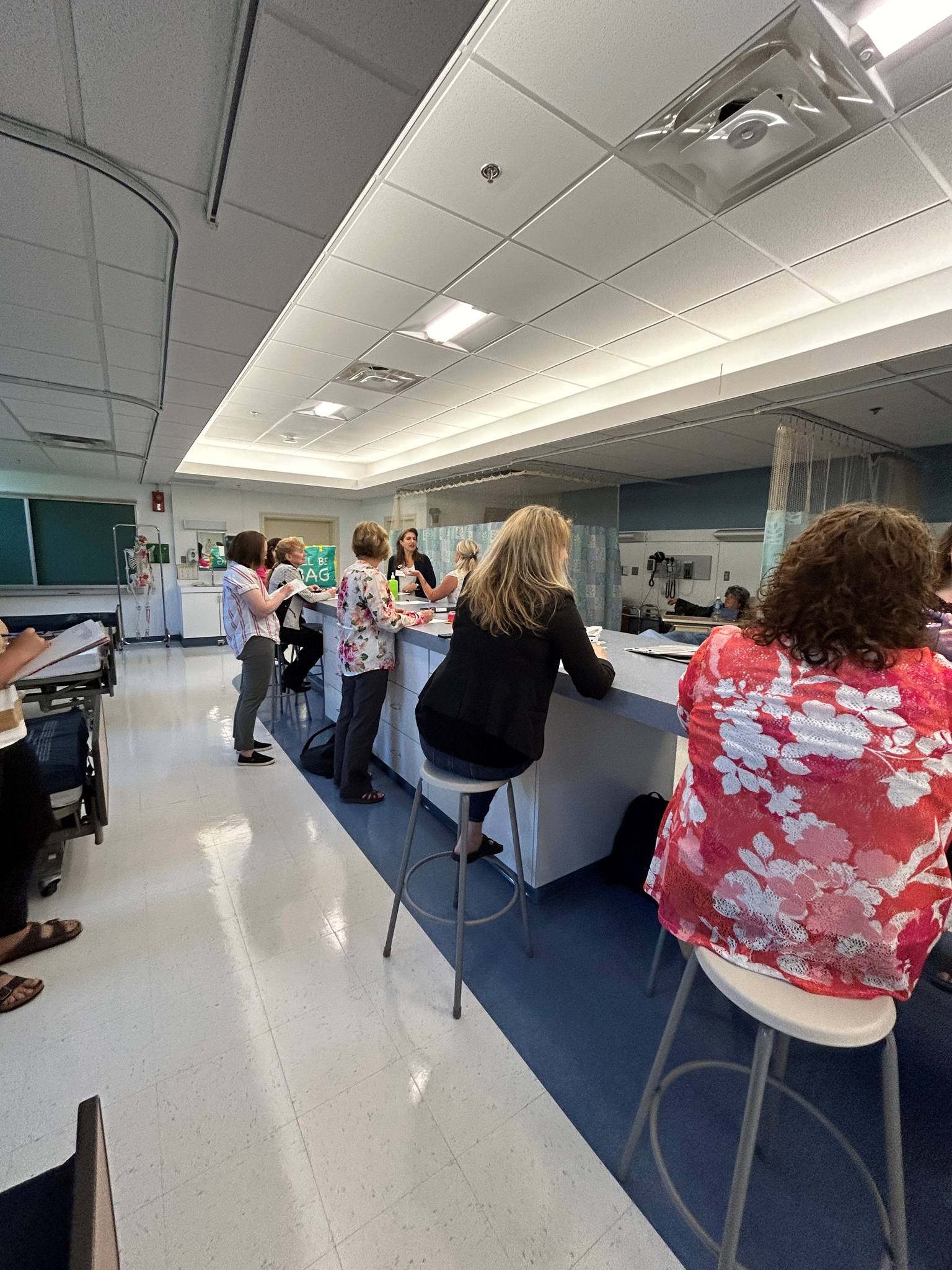
- Laboratory courses to enhance practical skills
- An optional 12-week immersion program with the Huntsman Marine Science Centre in St. Andrews
This structure ensures that students not only gain theoretical knowledge but also practical experience that is essential for their future careers in the field of coastal ecology.
Featured Experiences
- Hands-on learning opportunities that allow students to apply their knowledge in real-world settings.
- Fieldwork conducted on coastal sites in the Saint John region, providing practical experience in coastal ecology.
- Laboratory courses that enhance students' understanding of ecological science.
- Optional 12-week immersion program with the Huntsman Marine Science Centre, offering unique insights into marine science.
Career Options
- Conservation Biologist: Focuses on protecting ecosystems and wildlife, ensuring sustainable practices are followed.
- Ecological Modeler: Uses mathematical models to predict ecological outcomes and inform conservation strategies.
- Environmental Data Scientist: Analyzes environmental data to support decision-making in conservation and management.
- Environmental Consultant: Advises organizations on environmental best practices and compliance with regulations.
- Fisheries Biologist: Studies fish populations and ecosystems to promote sustainable fishing practices and conservation efforts.
DISCLAIMER: The information above is subject to change. For the latest updates, please contact LOA Portal's advisors.
Visit University of New Brunswick official website