
Last updated on 2025-05-06















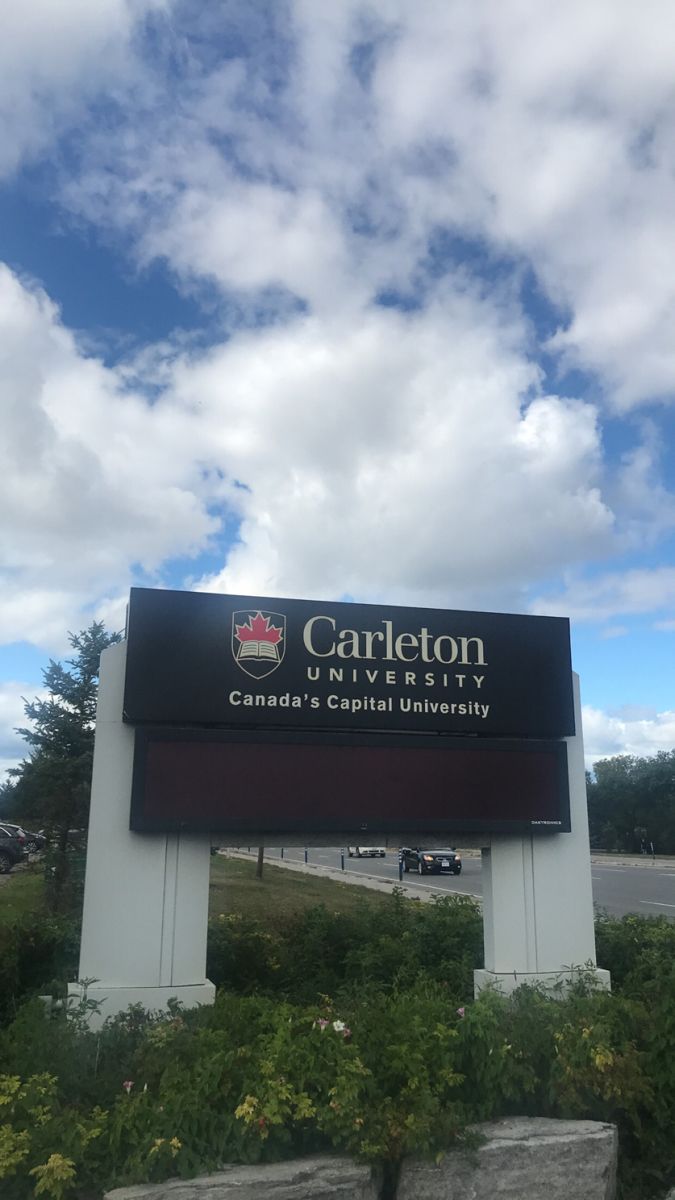



Program Overview
The Bachelor of Science (Honours) in Chemistry with a focus on Chemical Toxicology at Carleton University is designed for students interested in understanding the chemical processes and toxicological effects of substances. This program combines rigorous academic training with practical applications, preparing graduates for various careers in chemistry and related fields. With a strong emphasis on research and hands-on experience, students will engage with innovative faculty and state-of-the-art facilities, ensuring a comprehensive educational experience.
Program Structure
The Bachelor of Science (Honours) in Chemistry - Chemical Toxicology program is structured to provide a solid foundation in chemistry while allowing students to specialize in toxicology. The program length is four years, during which students will complete a variety of courses and practical experiences.
Key features of the program structure include:
- Core chemistry courses that cover fundamental principles and advanced topics.
- Optional co-op opportunities that provide real-world experience in the field.
- Access to state-of-the-art laboratories, including the Steacie Superlab.
- Research projects that encourage hands-on learning and innovation.
Featured Experiences
This program offers several unique experiences that enhance the learning journey:
- Co-op placements that allow students to gain practical experience in various chemistry-related industries.
- Access to specialized labs, including the Superlab, which supports collaborative research and experimentation.
- Opportunities to engage in innovative research projects under the guidance of experienced faculty.
- Participation in joint partner programs that may provide additional learning and networking opportunities.
Career Options
Graduates of the Bachelor of Science (Honours) in Chemistry - Chemical Toxicology program can pursue a variety of career paths in Canada, including:
- Chemical Analyst: Conducts tests and analyses on chemical substances to ensure safety and compliance with regulations.
- Toxicologist: Studies the effects of chemicals on living organisms and the environment, assessing risks and safety measures.
- Environmental Chemist: Focuses on the chemical composition of the environment and the impact of pollutants.
- Quality Control Chemist: Ensures that products meet quality standards through rigorous testing and analysis.
- Research Scientist: Engages in scientific research to develop new products or improve existing ones, often in a laboratory setting.
DISCLAIMER: The information above is subject to change. For the latest updates, please contact LOA Portal's advisors.
Visit Carleton University official website