Last updated on 2025-07-15

Program Overview
The BCIT Advanced Diploma in Geographic Information Systems (GIS) is designed for university or college graduates with a background in a related discipline or technology. This program focuses on the principles of GIS, training in GIS software, technical issues, remote sensing, and digital mapping. It aims to equip students with the necessary skills to manage and utilize geographic data effectively. The curriculum combines both theory and practical applications, ensuring that students are well-prepared for a career in this rapidly evolving field. With over 20 years of experience, the GIS program at BCIT has established a strong reputation for producing highly skilled graduates who are sought after in various industries.
Program Structure
The Advanced Diploma in Geographic Information Systems is a 9-month, full-time program that requires students to complete a total of 66 credits. The program structure includes:
- GIS Technology Courses: 45.0 credits
- Management Courses: 5.0 credits
- Projects Courses: 16.0 credits
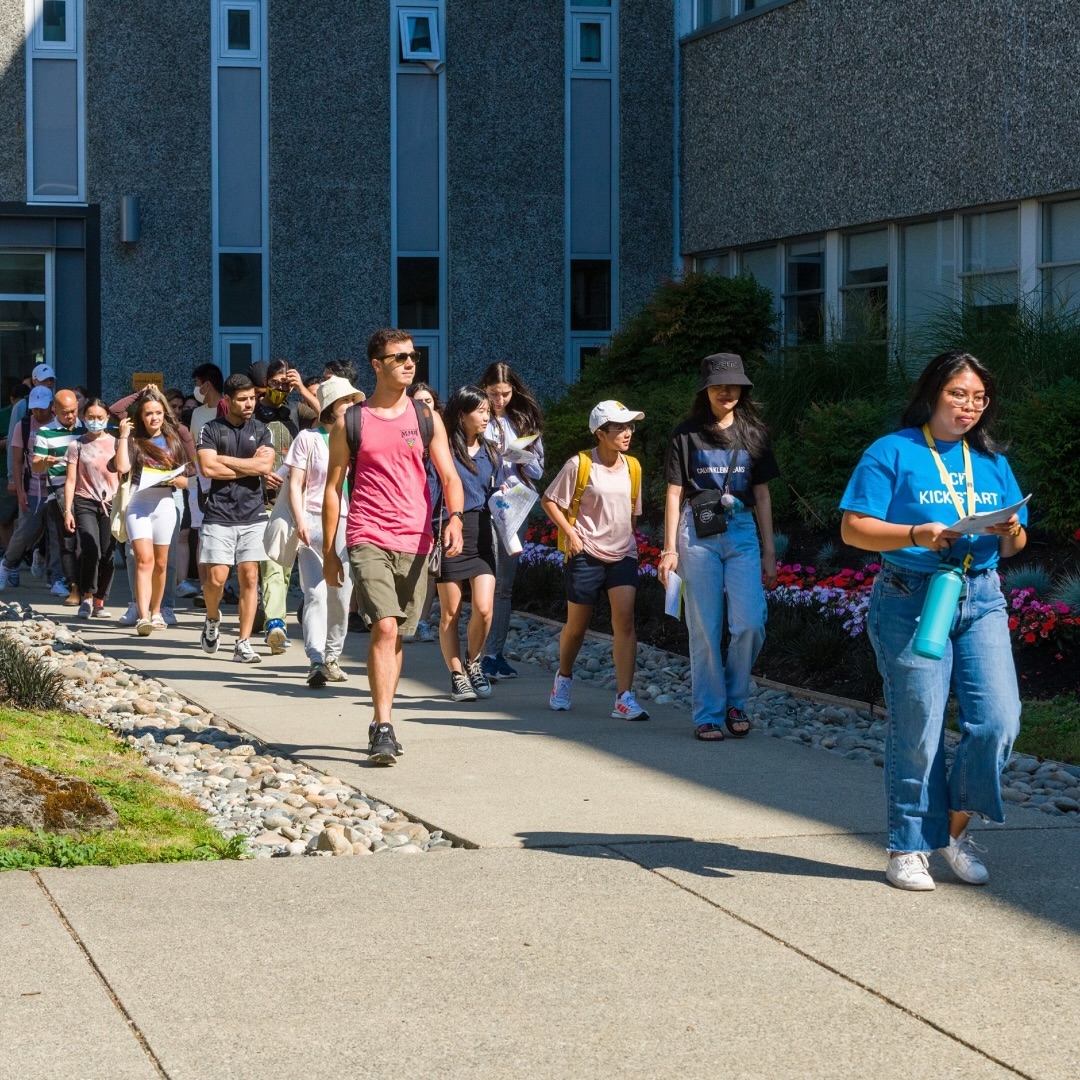
Classes are delivered in person at the Burnaby Campus, with a schedule that typically runs Monday to Friday, from 8:30 AM to 5:30 PM, except on Wednesdays when classes end at 2:30 PM. Students will engage in a mix of lectures and hands-on labs, with a focus on integrated e-learning and teamwork. The program also includes a mandatory work component, which can be fulfilled through an industry project or practicum. This practical experience is essential for graduation and helps students apply their skills in real-world settings.
Featured Experiences
- Hands-on experience with industry-standard GIS software.
- Mandatory supervised work experience through an industry project or practicum.
- Opportunities to attend GIS conferences and engage with guest speakers from the industry.
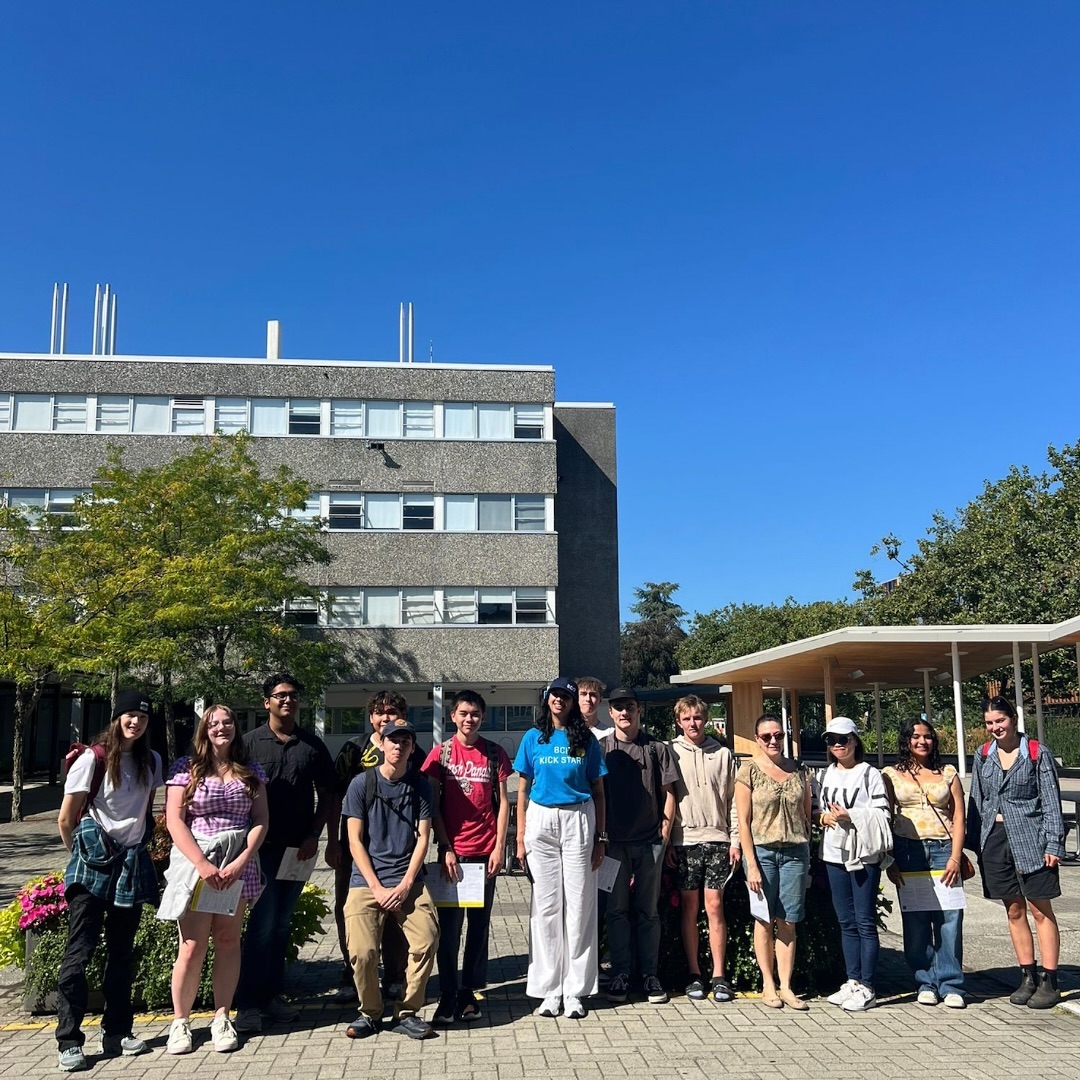
- Access to a dynamic learning environment with a diverse group of students from various academic backgrounds.
- Regular applied assignments to reinforce learning and practical skills.
Career Options
Graduates of the Geographic Information Systems Advanced Diploma program can pursue a variety of career paths in Canada, including:
- GIS Analyst: Responsible for analyzing spatial data and creating maps to support decision-making in various sectors.
- Cartographer: Specializes in creating maps and visual representations of geographic data for various applications.
- Urban Planner: Utilizes GIS technology to assist in the planning and development of urban areas, ensuring sustainable growth.
- Environmental Consultant: Uses GIS to assess environmental impacts and develop strategies for conservation and resource management.
- Geospatial Developer: Focuses on developing software applications that utilize GIS technology for data analysis and visualization.
DISCLAIMER: The information above is subject to change. For the latest updates, please contact LOA Portal's advisors.
Visit British Columbia Institute of Technology (BCIT) official website